Monday, April 4, 2011

References For Teachers In How To Build An Effective And Integrated Community of Diverse Learners

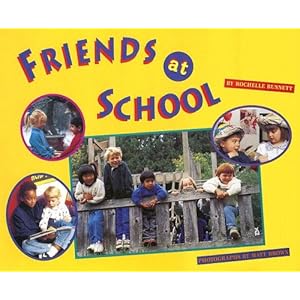
Friends At School By: Rochelle Bunnett
Grade Level: Pre-k to Third Grade
Gist Of The Text: This photo story depicts pre-school children who are of mixed abilities at school. The book illustrates how children can work together as community of learners despite having students with disabilities in the room.
Just Kids: Visiting A Class For Children With Special Needs By: Ellen B. Senisi
Grade Level: First through third grade
Gist Of The Text: A student spends some time visiting a classroom with students with special needs in order to help her better understand that they have some similarities as her. The book illustrates the point that there is more than one way to learn and that students with special needs can be academically successful.

Don't Call Me Special: A First Look At Disability By: Pat Thomas
Grade Level: Pre-k to third grade
Gist Of The Text: The book discusses individual disabilities, special equipment to help out students with special needs, and how people can live a full and happy life with physical disabilities.

Emphasizing To Students That It Is Okay To Be Different

Disney's The Hunchback Of Notre Dame
Grade Level: Second to Fourth Grade
Gist Of The Movie: The main character named Quasimodo struggles to gain acceptance within his community. Most people make fun of him because of his appearnace. The movie addresses the challenges of being accepted into a community and overcoming people's presumptions of people who appear physically different from "neuro-typical" members of society.

Video Clip:

A Book For Parents With Deaf Children

I Have A Sister, My Sister Is Deaf By: Jeanne Whitehouse Peterson
Grade Level: First through Third Grade
Gist Of The Text: The story is told from the "neuro-typical" sibling (girl) describing how her sister interacts with the world around her. The book illustrates the point that although a person is deaf, they can still interact with people and things within their environment.

A Book For "Neuro-typical" Children

Let's Talk About It: Extrodinary Friends By: Fred Rogers
Grade Level: First through third grade
Gist Of The Text: This books addresses both the concerns and fears surrounding students with disabilities. It also offers suggestions to help "neuro-typical" students fosters friendships with their peers that have disabilities. The book emphasizes that students with disabilitites are still people with feelings just like everyone else in the world.

Special Education Children's Books Website For Parents and Teachers

The following website provides a list of numerous books targeted for Pre-kindergarteners through third grade about various disorders such as Cerebal Palsy, Down Syndrome, Speech Disorders, Asthma, Diabetes, Seizure Disorders, Tourette Syndrome, and many other topics that deal with the field of special education. The books provide information about these disorders and ways others can help people who suffer from these disorders.

http://store.guidance-group.com/items.asp?Cc=BSPECIALNEEDS&iTpStatus=0&Tp=&Bc=

Monday, March 21, 2011

Get To Know Your Peer(s) With Other Health Impairment (OHI)

Other Health Impairments Wiki
This link above leads to a wiki describing other health impairments. Learn these facts and you will understand your peer(s) with other health impairments better

What You Can Do To Help:
1. Get to know the student's likes and dislikes
2. Invite them in on conversations
3. Allow them to join in on activities with you
4. Make them feel as able-bodied as you do.

Video:
This video below describes how you should speak and help a person with a physical disability
The video below is a video podcast describing physical disabilities:
This video below shows how to interact with a person with a physical disability within a given community:
The digital story below is told from a person with a disability. It describes his hardships and how people can help:
The video below brings awareness to physical disability discrimination:

How To Help Your Child With Other Health Impairment (OHI)

How You Can Help:
1. Work with the school community
2. Advocate for your child's needs
3. Be up to date on educational laws
4. Find activities for your child to participate in (ex: wheelchair basketball)
5. Seek occupational and physical therapy for your child
6. Find recreational activities for your child to participate in

Video Resources:
The video below describes the program Disability Pride. This program encourages students to be proud of who they are dispite their disabilities
The video below shows the Team USA and Team Canada 2008 basketball championship
The video below shows how Penn State helps create recreational activities for students with disabilities